Tell us about the job
Takes about a minute. No obligation.
A contractor quoting a boiler repair in this county starts with the unit's age and service history, not with the weather. 63 severe weather events were recorded in Montgomery County, Indiana between 2015 and 2024. At that rate, severe weather is something a system here encounters now and then, not a persistent load grinding through heat exchangers and controls season after season. A boiler that fails in Montgomery County is far more likely failing because of corroded fittings, a neglected annual service, or a heat exchanger that has simply run its years. The weather is real, but it does not drive the repair bill here.
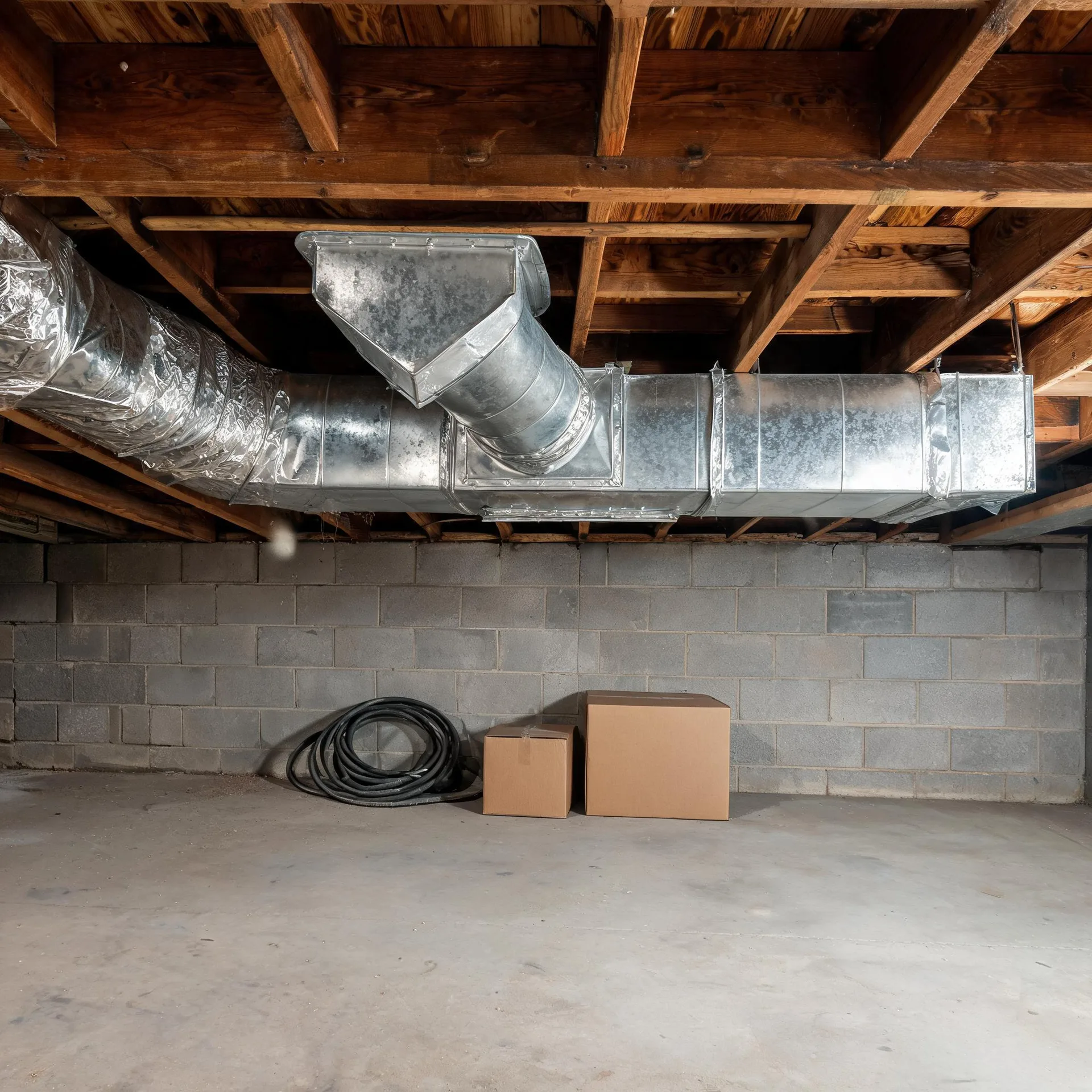
Half the homes in Montgomery County, Indiana were built in 1967 or earlier (2020-2024 ACS 5-year). For a boiler in a house that old, the opened system often contains components that manufacturers stopped producing years ago, which means a contractor diagnosing a fault has to confirm part availability before committing to a repair scope. A workaround exists in most cases, but it changes the bill. What the contractor finds inside the unit decides which direction the job goes.
The Parts of a Boiler a Contractor Checks First
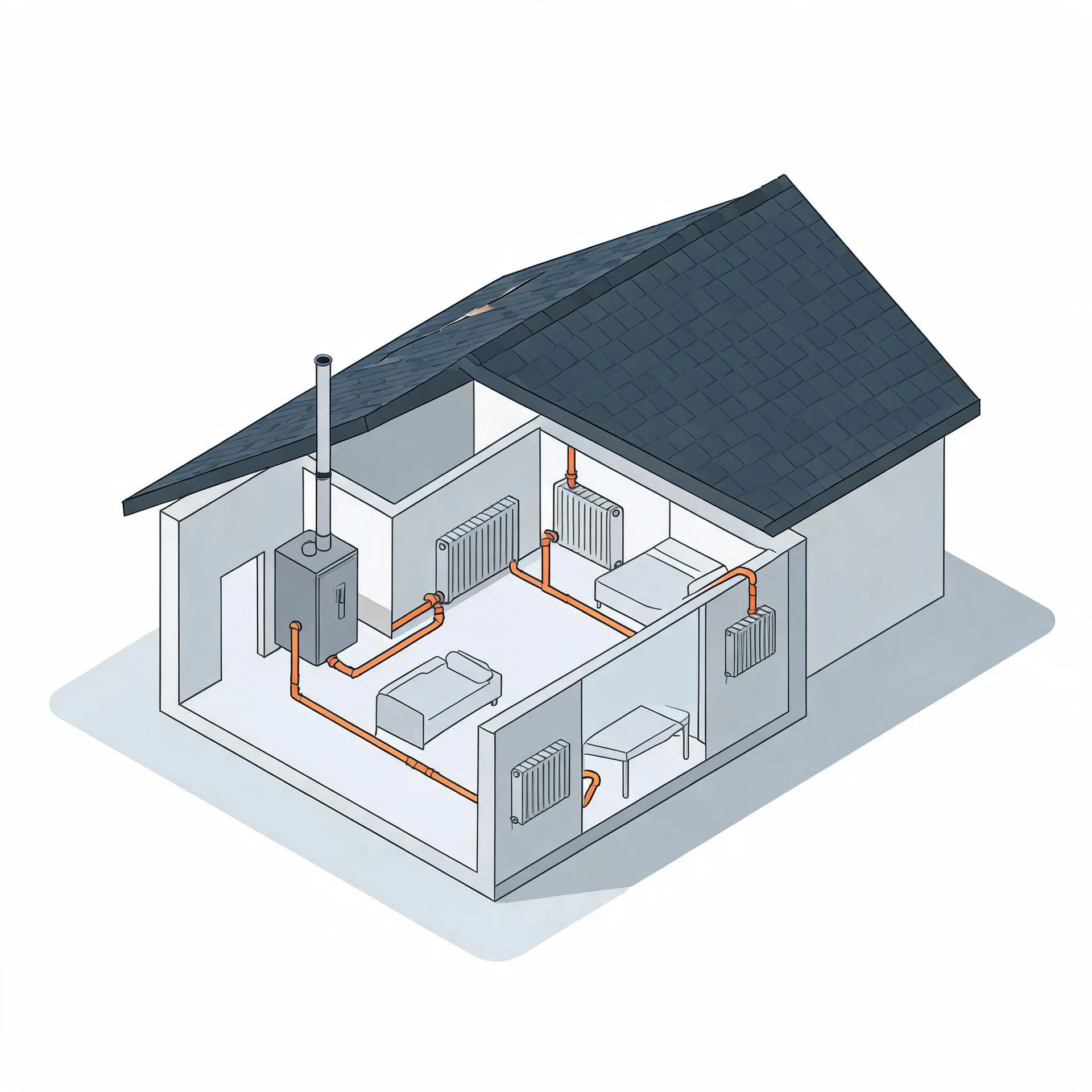
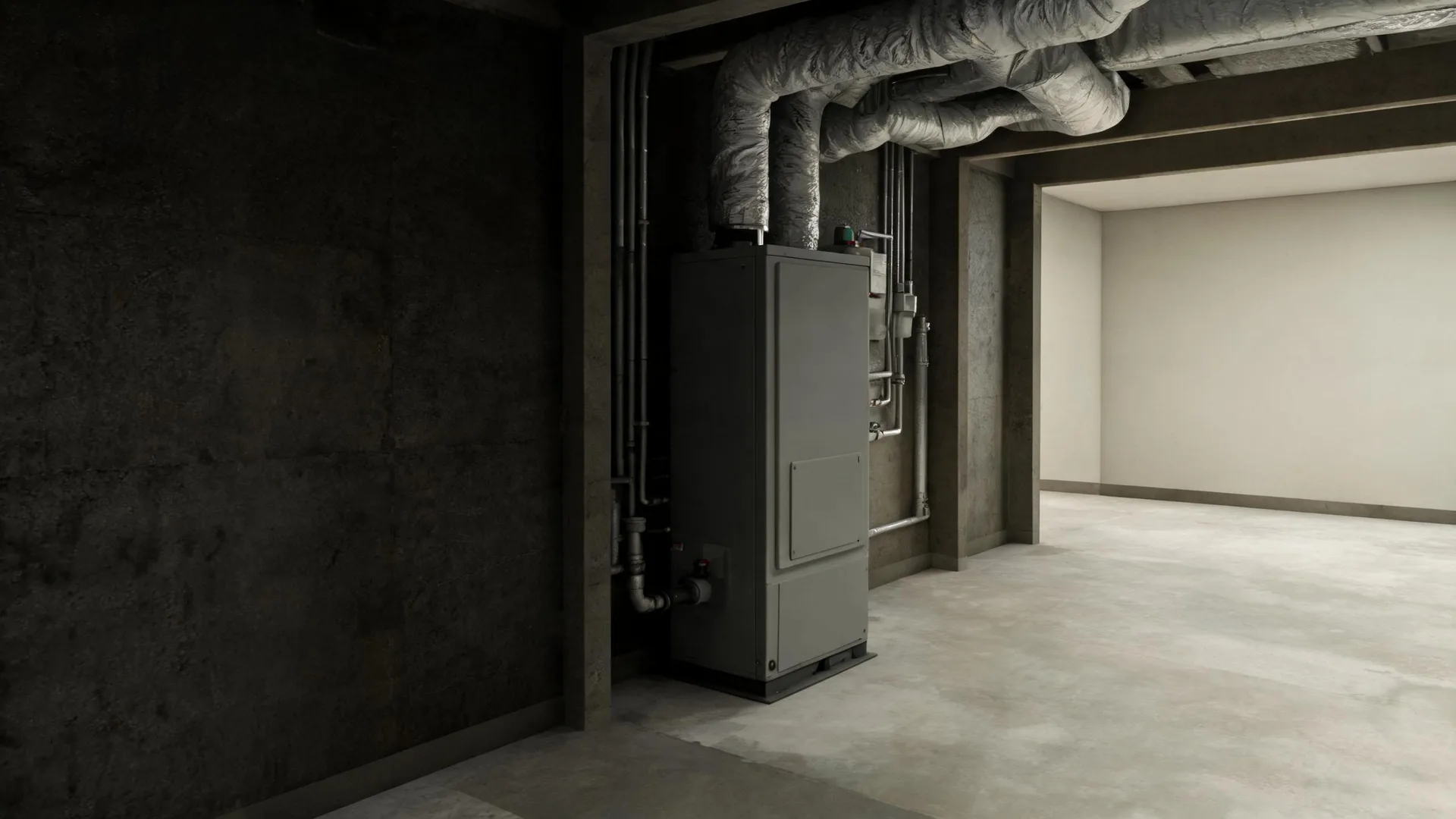
The boiler itself sits in the basement or mechanical room and is the piece a contractor goes to first. It heats water and pushes it through the system. When it fails, the signs range from no heat at all to uneven heat across rooms. The burner, heat exchanger, and pressure relief valve are all housed here and are common sources of trouble.
Circulator pumps move the heated water through the pipes to each radiator or baseboard unit. The thermostat, mounted on a main living-area wall, tells the system when to fire. When either one is the problem, rooms stay cold even though the boiler itself appears to be running.
The drawing shows a typical layout, and a licensed contractor will assess which components apply and what condition they are in for your specific home.
Find a contractor in Montgomery CountyMontgomery County, Indiana, by the numbers
63 severe weather events were recorded in Montgomery County, Indiana between 2015 and 2024.
NOAA National Centers for Environmental Information, Storm Events Database, bulk CSV export, events 2015-01-01 through 2024-12-31.Half the homes in Montgomery County, Indiana were built in 1967 or earlier (2020-2024 ACS 5-year).
U.S. Census Bureau, 2020-2024 American Community Survey 5-Year EstimatesMontgomery County, Indiana holds 16,585 housing units (2020-2024 ACS 5-year).
U.S. Census Bureau, 2020-2024 American Community Survey 5-Year EstimatesOwners occupy 80.3% of the occupied homes in Montgomery County, Indiana (2020-2024 ACS 5-year).
U.S. Census Bureau, 2020-2024 American Community Survey 5-Year EstimatesSevere Weather Events in Montgomery County
Boilers work hardest when outdoor conditions are at their worst. Knowing what the weather has asked of heating equipment in Montgomery County puts repair needs in their proper context.
63 severe weather events, 2015–2024. Source: NOAA National Centers for Environmental Information, Storm Events Database.