Tell us about the job
Takes about a minute. No obligation.
A contractor quoting boiler repair in Wells County has to settle on a cause before anything else, and the weather here does not give them much to work with. 68 severe weather events were recorded in Wells County, Indiana between 2015 and 2024. At that rate, severe weather is an event rather than a standing condition, so it rarely explains why a boiler's heat exchanger cracks or a pressure valve gives out. Age and how consistently the system has been serviced are what a contractor checks first, and that is where the repair scope gets set.
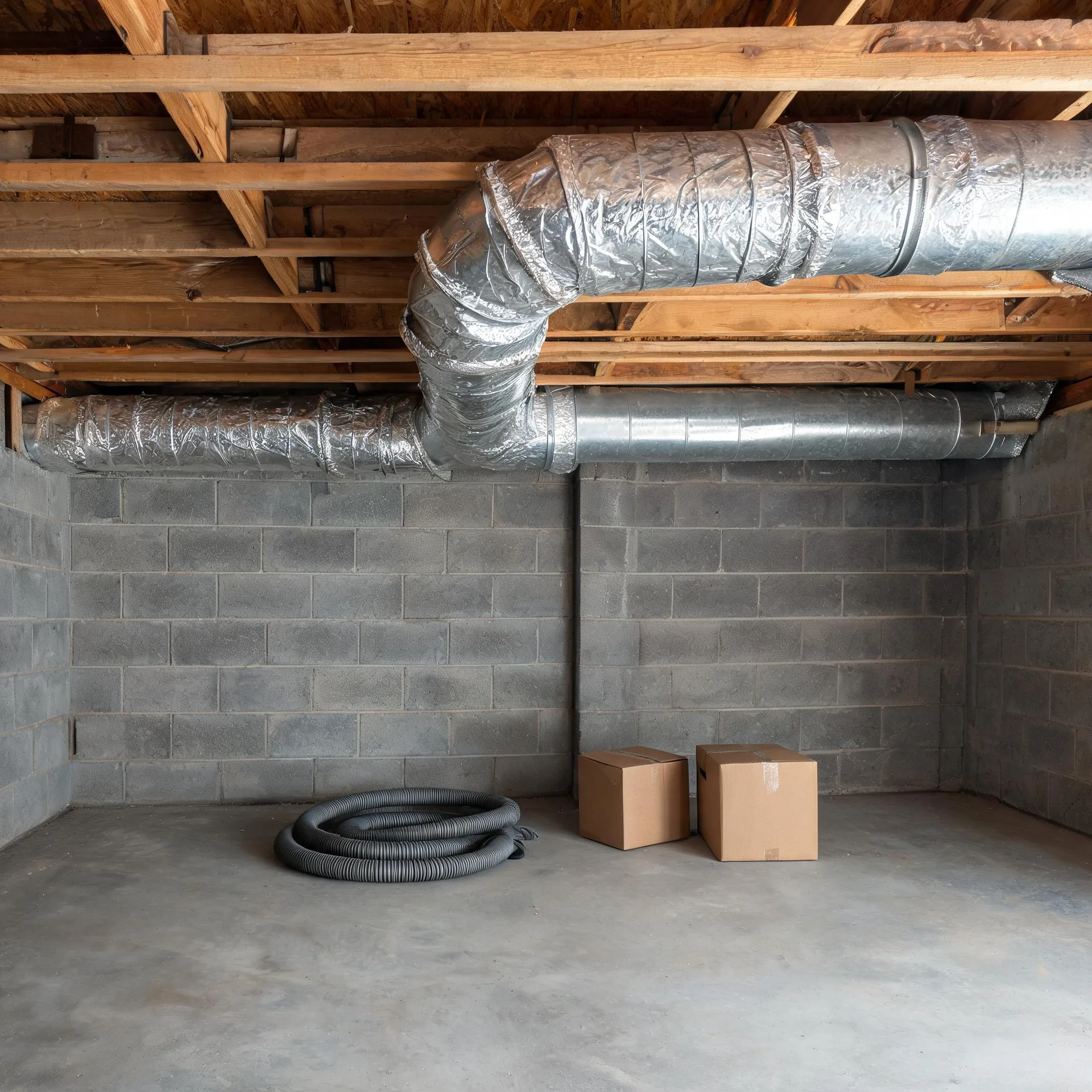
Half the homes in Wells County, Indiana were built in 1973 or earlier (2020-2024 ACS 5-year). A boiler that has heated a house through that many winters carries wear that only opens up once a contractor has the unit apart. Cracked heat exchangers, seized zone valves, and deteriorated seals are what technicians find in stock like this, and those are conditions the exterior of the equipment does not show. Parts availability for systems this old is its own question, and a contractor may need to source components before a repair date is set.
The Parts of a Boiler a Contractor Checks First
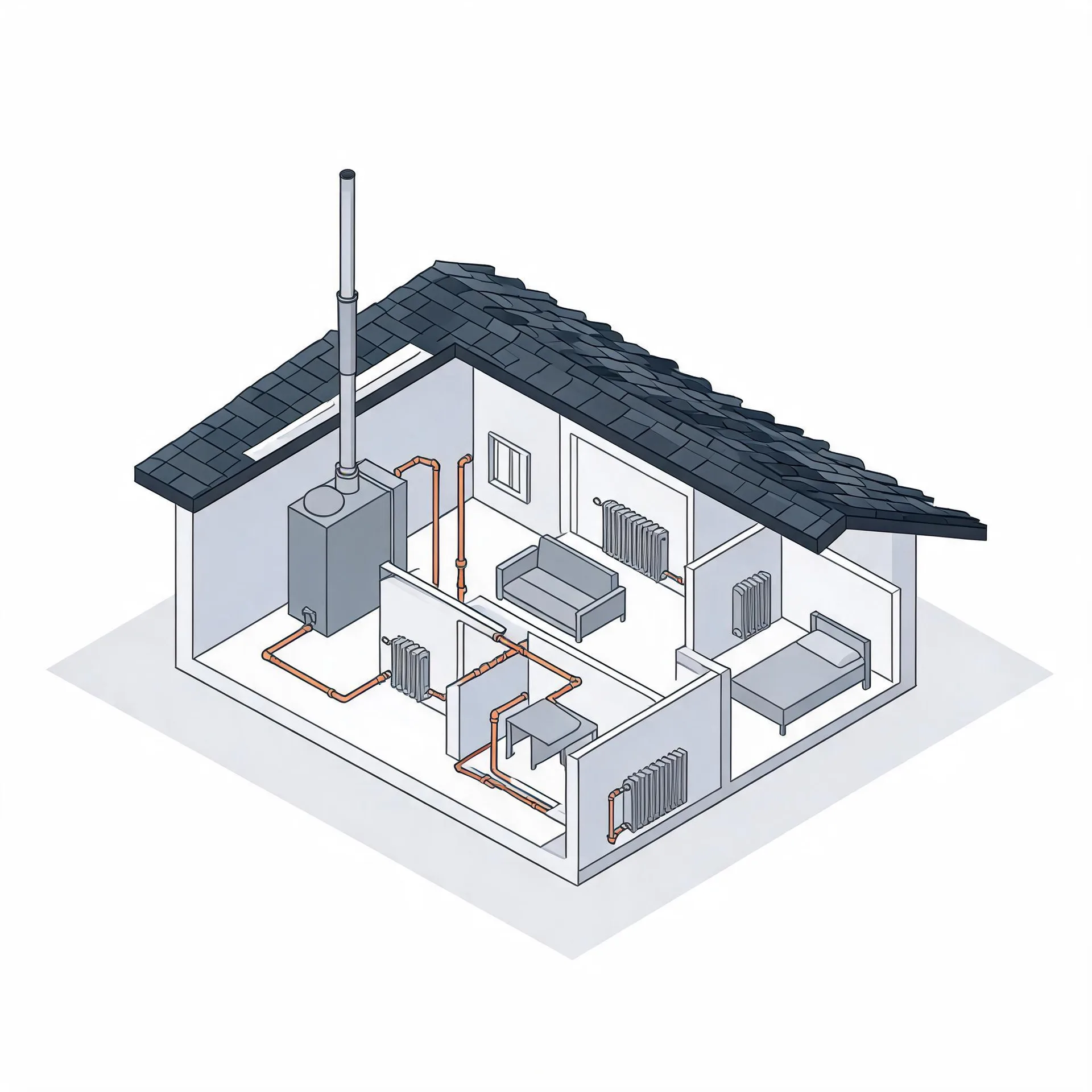
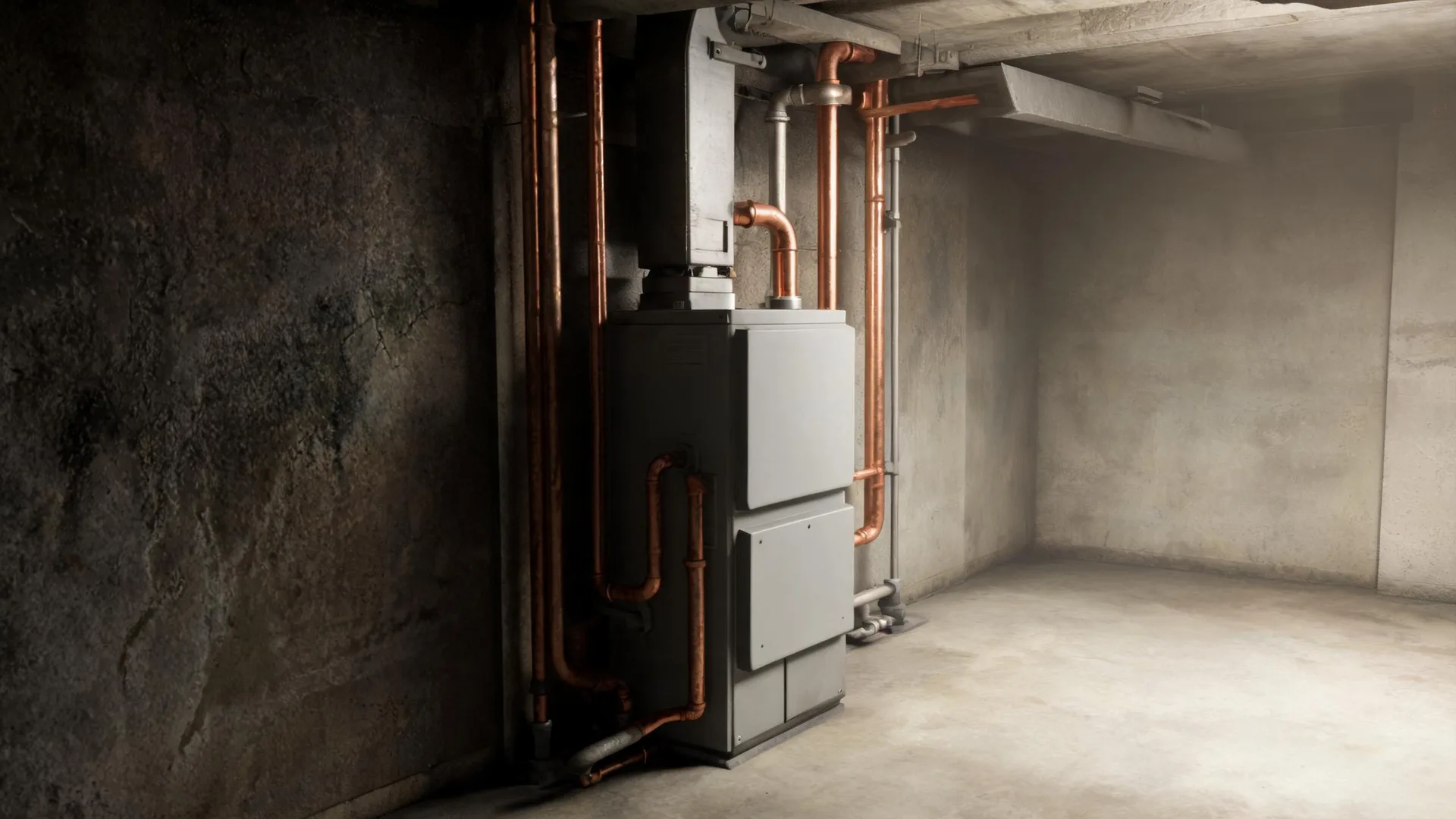
The boiler itself sits in the basement or a mechanical room and is the heart of the system. It heats water and pushes it out through pipes. When a boiler is running poorly or not at all, a contractor starts here, checking the burner, the heat exchanger, and the controls that tell the unit when to fire.
From the boiler, pipes carry hot water to radiators or baseboard units in each room, then return cooler water back. The circulator pump, which keeps water moving through that loop, and the expansion tank, which absorbs pressure changes in the system, both sit close to the boiler and are common points of failure when heat delivery feels uneven or stops entirely.
The drawing shows a representative layout, and a licensed contractor determines which components and conditions apply to your specific home.
Find a contractor in Wells CountyWells County, Indiana, by the numbers
68 severe weather events were recorded in Wells County, Indiana between 2015 and 2024.
NOAA National Centers for Environmental Information, Storm Events Database, bulk CSV export, events 2015-01-01 through 2024-12-31.Half the homes in Wells County, Indiana were built in 1973 or earlier (2020-2024 ACS 5-year).
U.S. Census Bureau, 2020-2024 American Community Survey 5-Year EstimatesWells County, Indiana holds 12,074 housing units (2020-2024 ACS 5-year).
U.S. Census Bureau, 2020-2024 American Community Survey 5-Year EstimatesOwners occupy 75.6% of the occupied homes in Wells County, Indiana (2020-2024 ACS 5-year).
U.S. Census Bureau, 2020-2024 American Community Survey 5-Year EstimatesSevere Weather Events in Wells County
Boilers work hardest when outdoor conditions demand the most from them, and Wells County weather sets that demand. How often the local climate swings into severe territory is a direct factor in how hard the equipment runs and how quickly wear accumulates.
68 severe weather events, 2015–2024. Source: NOAA National Centers for Environmental Information, Storm Events Database.