Tell us about the job
Takes about a minute. No obligation.

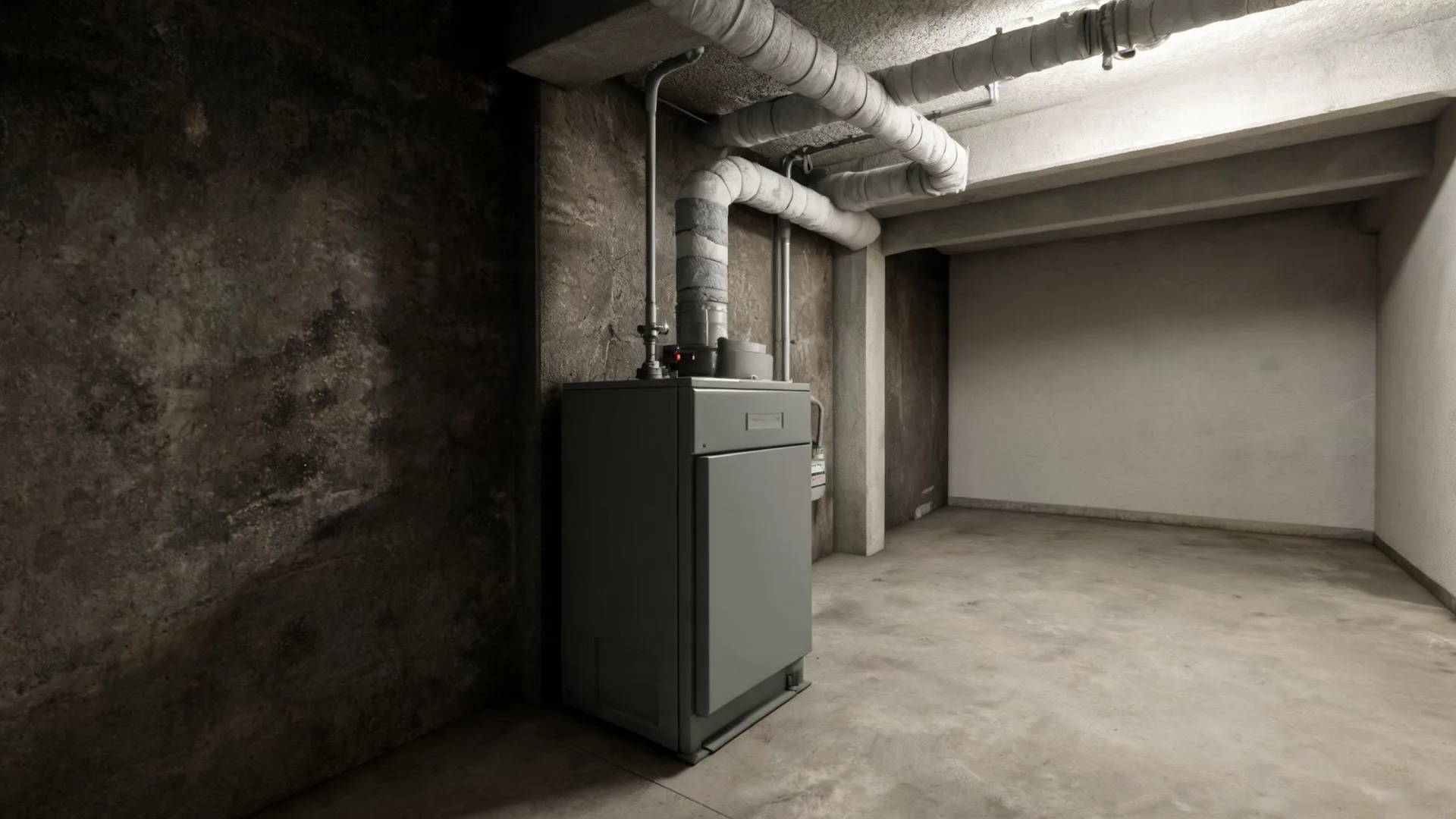
A boiler repair in Knox County starts with a question a contractor has to answer before they can price the job: how hard has this system actually been pushed. 128 severe weather events were recorded in Knox County, Indiana between 2015 and 2024. At that rate, severe weather is a standing condition for equipment here, and wear that looks like ordinary aging can trace back to repeated stress on heat exchangers, pressure relief components, and seals that took the load over many seasons. A contractor who skips that check and replaces the obvious failed part may miss why it failed.
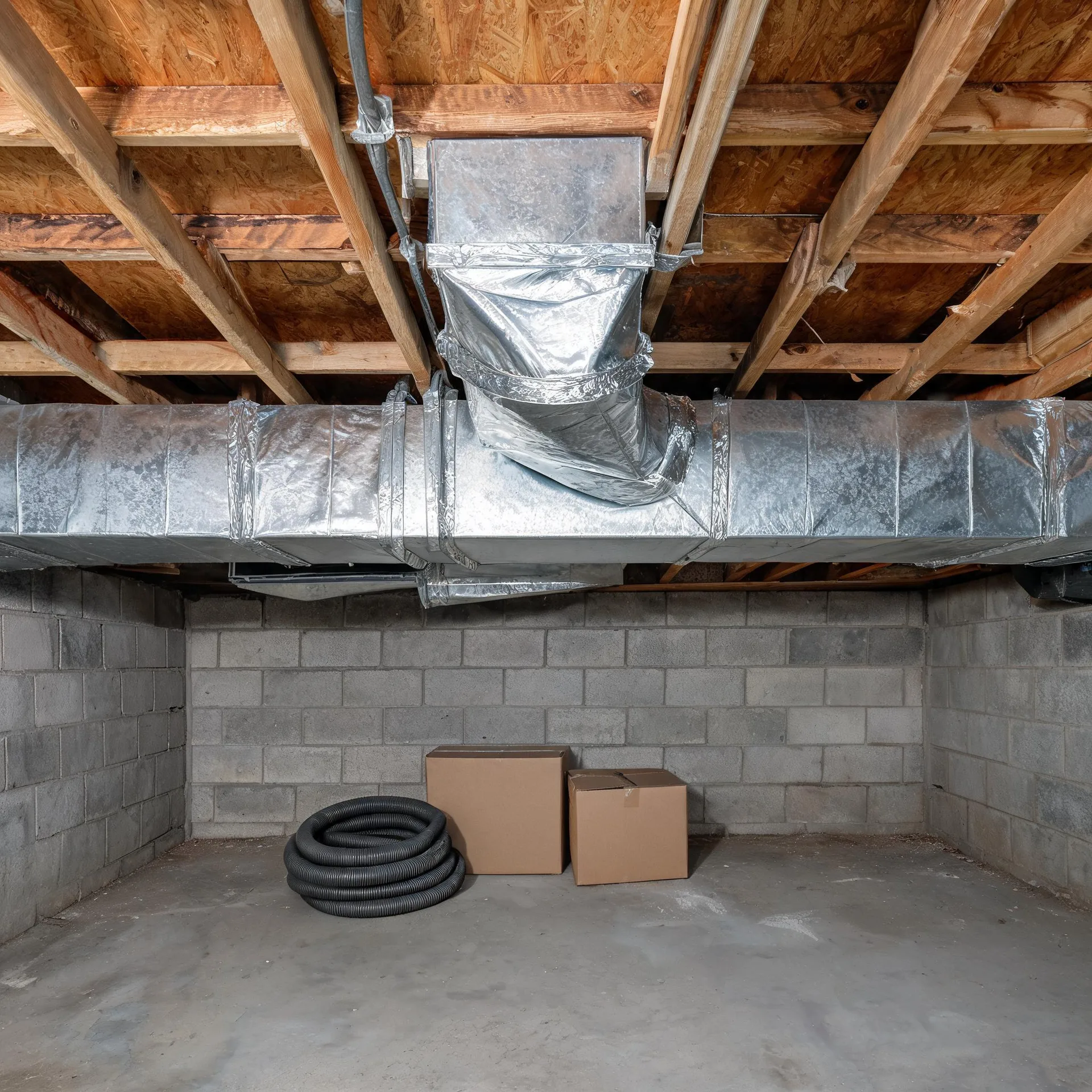
Boilers in housing this old collect a specific kind of history inside them: sediment in the heat exchanger, corroded circulator fittings, expansion tanks that have lost their charge. Half the homes in Knox County, Indiana were built in 1962 or earlier (2020-2024 ACS 5-year). A contractor who opens a boiler in stock like this finds conditions that two houses on the same street may not share. That is what makes the repair scope hard to predict from a curb view. Whether a part is still manufactured for a system of that vintage is a separate question the contractor has to answer before a quote means anything.
The Parts of a Boiler a Contractor Checks First
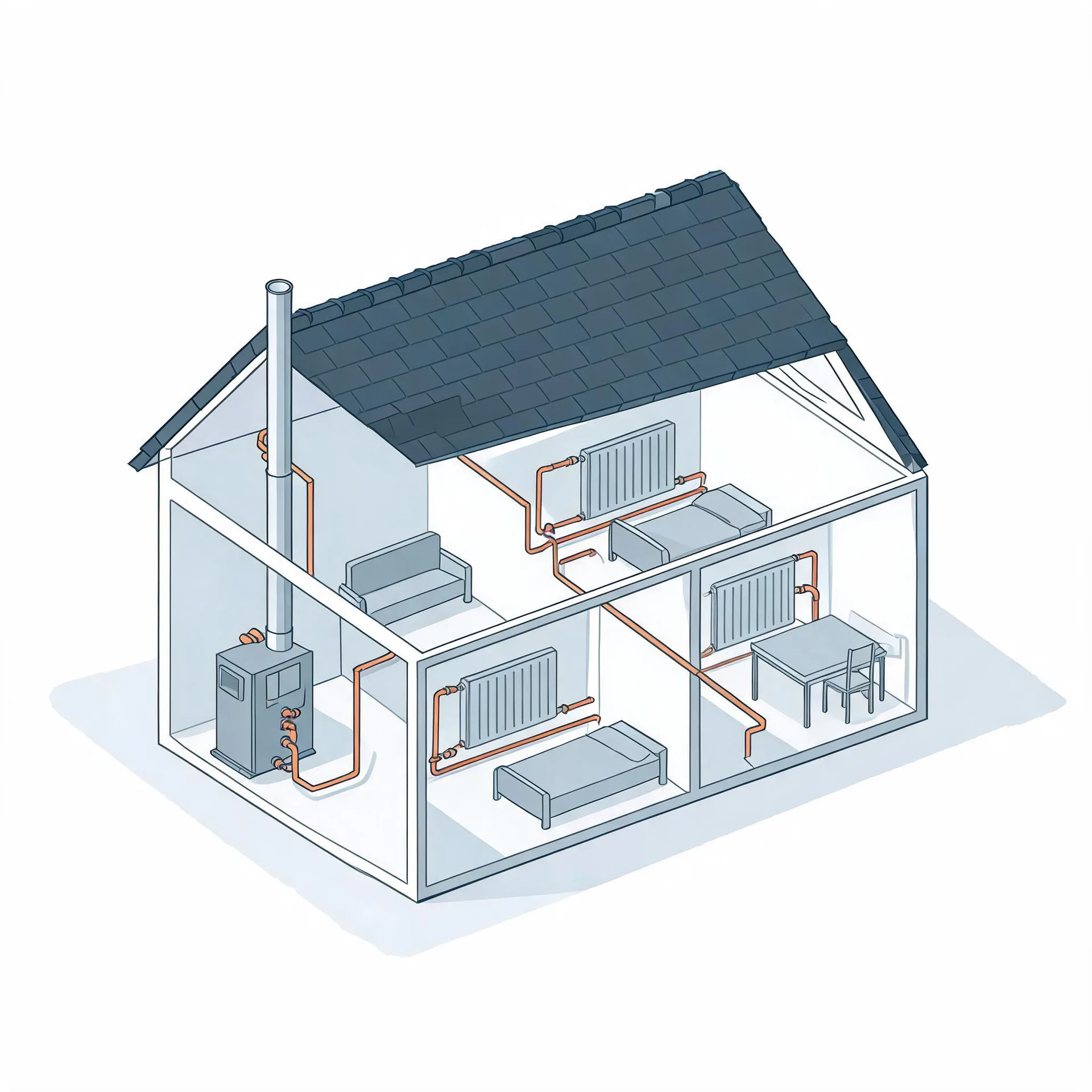
The boiler itself sits in the basement or a utility room and is the piece a contractor goes to first. Inside it, the heat exchanger and burner assembly are where most failures show up. A cracked heat exchanger, a burner that won't fire cleanly, or a pressure relief valve stuck open are all faults that start here.
Running out from the boiler, the supply and return pipes carry hot water to the radiators or baseboard units in each room, then bring the cooled water back. The circulator pump moves that water through the loop, and the expansion tank keeps pressure stable. A contractor checks these for leaks, corrosion, and whether the pump is actually moving water.
The drawing shows a typical boiler layout, and a licensed contractor determines which components apply to your specific home and system.
Find a contractor in Knox CountyKnox County, by the numbers
128 severe weather events were recorded in Knox County, Indiana between 2015 and 2024.
NOAA National Centers for Environmental Information, Storm Events Database, bulk CSV export, events 2015-01-01 through 2024-12-31.Half the homes in Knox County, Indiana were built in 1962 or earlier (2020-2024 ACS 5-year).
U.S. Census Bureau, 2020-2024 American Community Survey 5-Year EstimatesKnox County, Indiana holds 16,974 housing units (2020-2024 ACS 5-year).
U.S. Census Bureau, 2020-2024 American Community Survey 5-Year EstimatesOwners occupy 67.8% of the occupied homes in Knox County, Indiana (2020-2024 ACS 5-year).
U.S. Census Bureau, 2020-2024 American Community Survey 5-Year EstimatesSevere Weather Events in Knox County
Boilers work hardest when outdoor conditions swing hard, and Knox County's weather puts real stress on heating systems over time. That stress shows up as wear, and wear shows up as repair calls.
128 severe weather events, 2015–2024. Source: NOAA National Centers for Environmental Information, Storm Events Database.