Tell us about the job
Takes about a minute. No obligation.
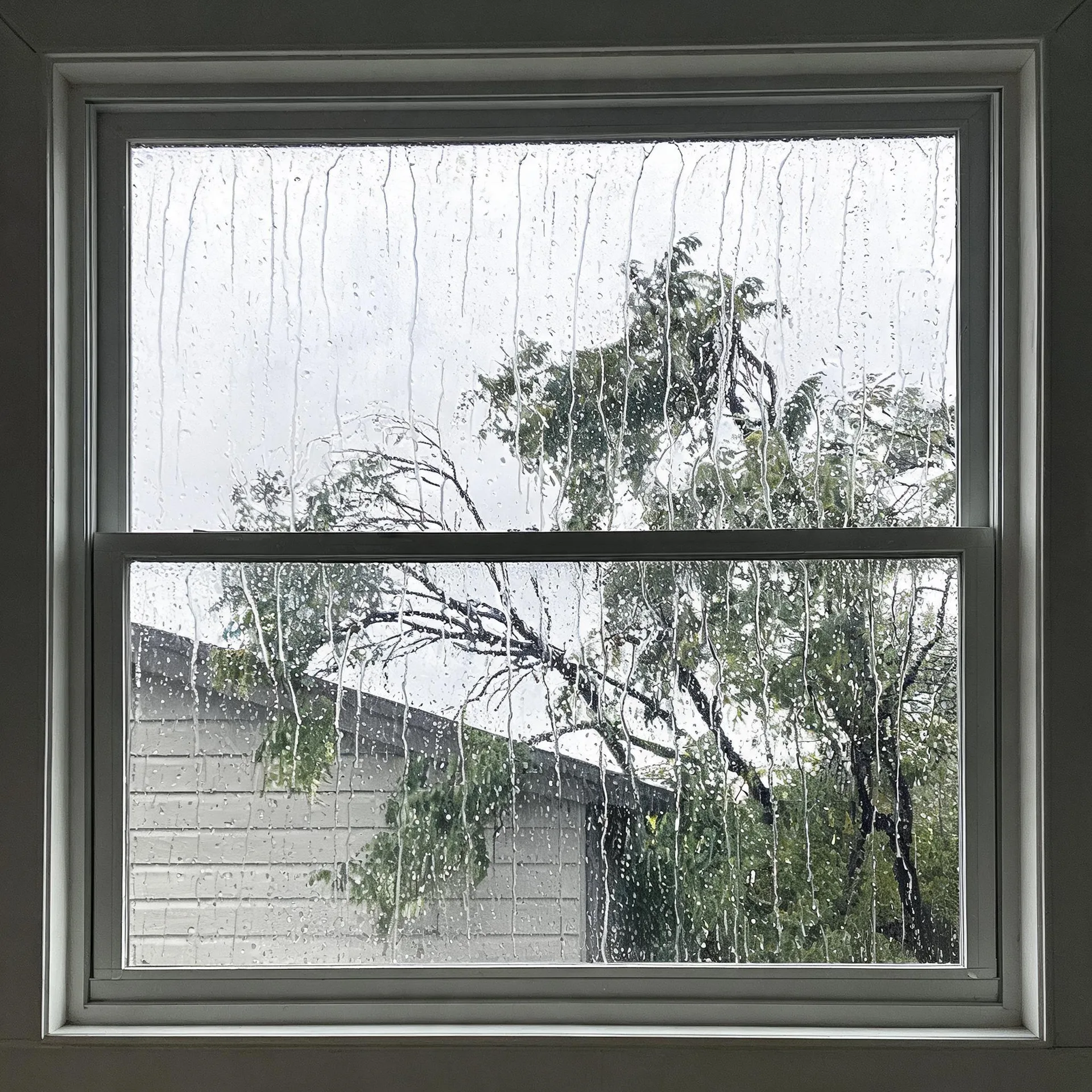
A boiler contractor working a repair call in Randolph County will look at the system's service history before they look at the weather. 54 severe weather events were recorded in Randolph County, Indiana between 2015 and 2024. At that rate, severe weather here is an event, not a steady operating condition, so wear on a heat exchanger or a failing circulator pump points back to age and how well the system was maintained rather than to storm load. A contractor who skips that maintenance record is missing the part of the diagnosis that actually drives the repair scope.
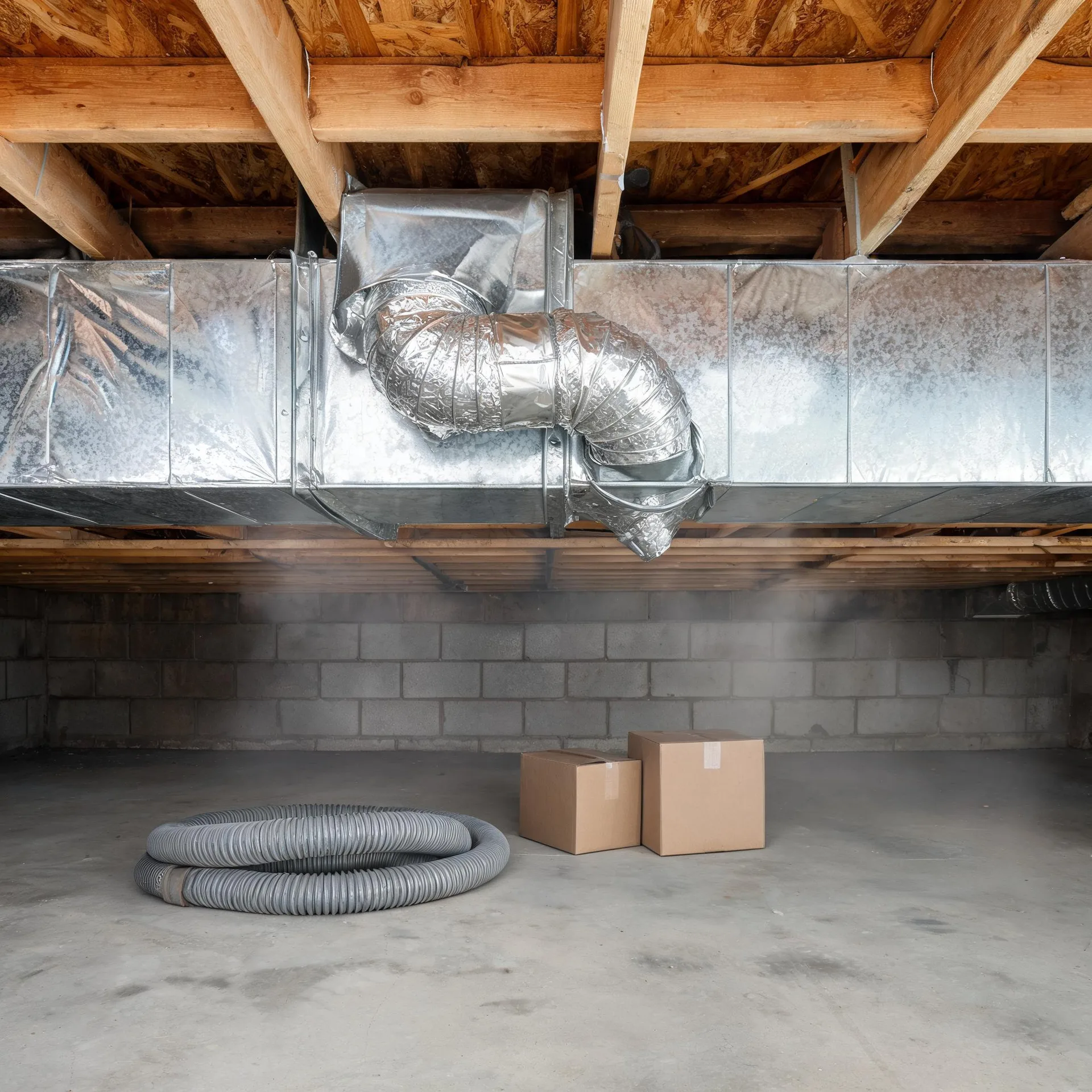
Boilers that have been running in houses built generations back carry a repair history that rarely shows from the outside. Half the homes in Randolph County, Indiana were built in 1958 or earlier (2020-2024 ACS 5-year). A contractor who opens a unit in stock like this frequently finds previous repairs layered on top of each other, each one a clue about what failed before and what is stressed now. The question that decides the job is whether the parts the system actually requires are still being made, or whether the repair path runs through specialty suppliers and longer lead times.
The Parts of a Boiler a Contractor Checks First
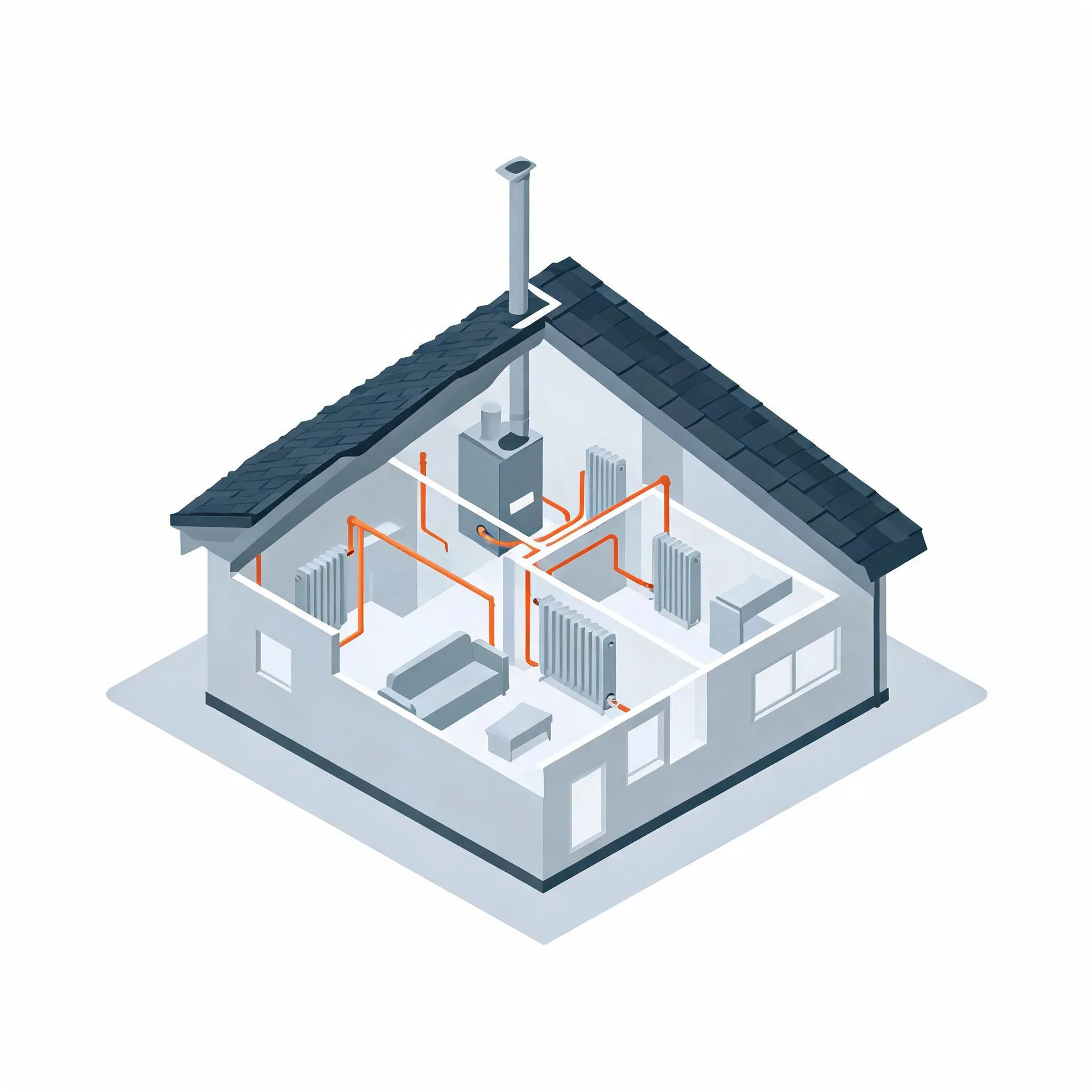
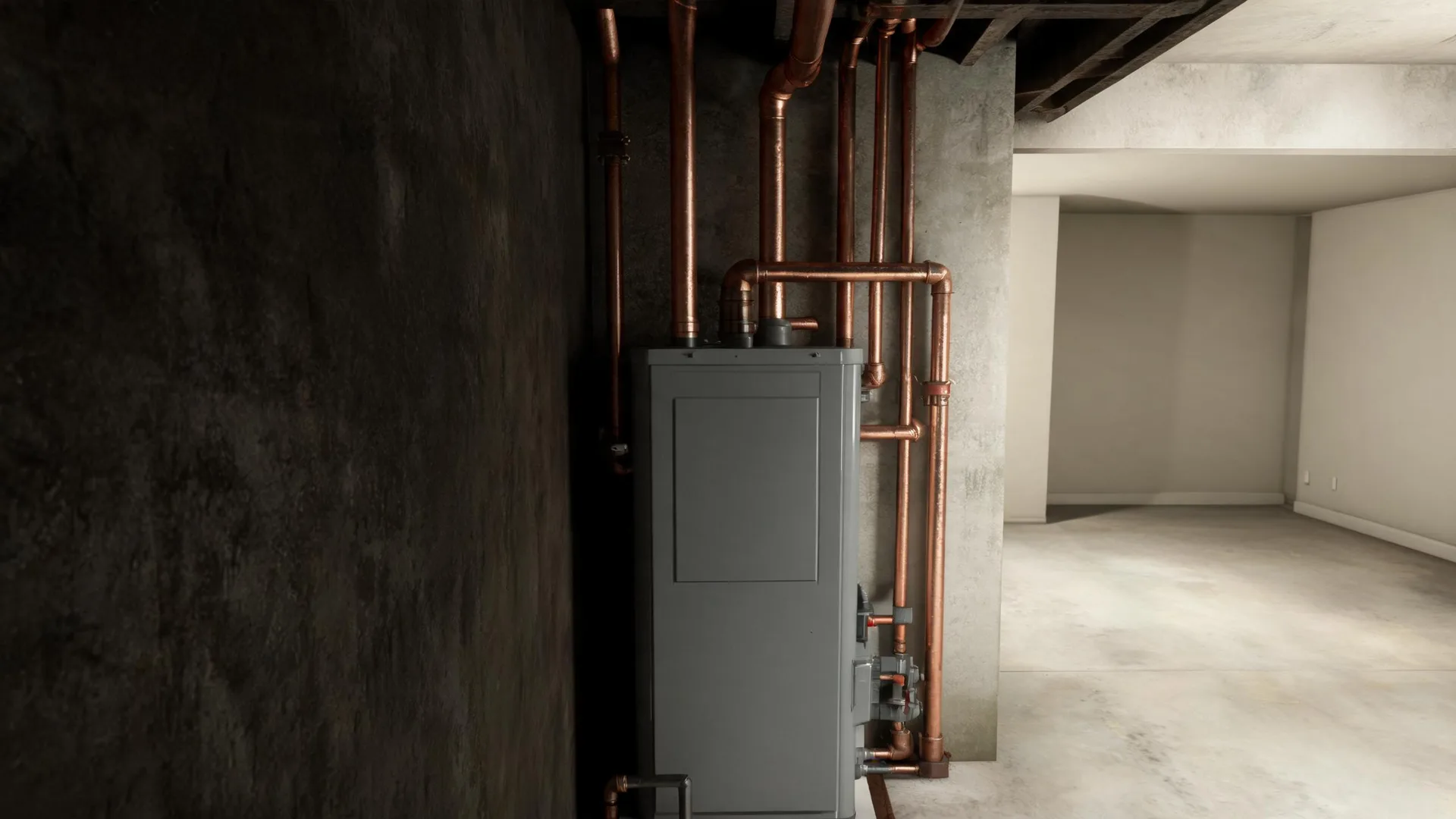
The boiler itself sits in the basement or a utility room and is the heart of the system. It heats water and pushes it out to the rest of the house. When a boiler is running badly or not at all, the burner assembly, heat exchanger, and pressure relief valve are the pieces a contractor looks at early.
From the boiler, supply pipes carry hot water to radiators or baseboard units in each room, and return pipes bring cooled water back. The circulator pump drives that loop, and the expansion tank sits nearby to absorb pressure changes. A failed pump or a waterlogged expansion tank can stop the whole system just as surely as a problem with the boiler itself.
The drawing shows a typical boiler layout, and a licensed contractor will determine which components apply and what condition they are in for your specific home.
Find a contractor in Randolph CountyRandolph County, by the numbers
54 severe weather events were recorded in Randolph County, Indiana between 2015 and 2024.
NOAA National Centers for Environmental Information, Storm Events Database, bulk CSV export, events 2015-01-01 through 2024-12-31.Half the homes in Randolph County, Indiana were built in 1958 or earlier (2020-2024 ACS 5-year).
U.S. Census Bureau, 2020-2024 American Community Survey 5-Year EstimatesRandolph County, Indiana holds 11,412 housing units (2020-2024 ACS 5-year).
U.S. Census Bureau, 2020-2024 American Community Survey 5-Year EstimatesOwners occupy 77.3% of the occupied homes in Randolph County, Indiana (2020-2024 ACS 5-year).
U.S. Census Bureau, 2020-2024 American Community Survey 5-Year EstimatesSevere Weather Events in Randolph County
Weather puts hours on heating equipment. Every hard weather event is a load spike, and load spikes are where boilers show what they are made of.
54 severe weather events, 2015–2024. Source: NOAA National Centers for Environmental Information, Storm Events Database.